Low water pressure is a common issue that can make everyday tasks like showering, washing dishes, and doing laundry frustrating. Understanding why water pressure drops and how to resolve it can help restore normal flow and prevent further plumbing problems.
What Causes Low Water Pressure?
Low water pressure can be caused by a variety of factors, ranging from minor issues to more serious plumbing problems. Common causes include clogged pipes, leaks, faulty fixtures, or problems with the main water supply. In some cases, older homes in Mandurah may have outdated plumbing systems that naturally reduce water pressure over time.
Check for Clogged Fixtures
One of the simplest causes of low water pressure is clogged fixtures. Mineral deposits and debris can build up in taps, showerheads, and aerators, restricting water flow. Removing and cleaning these components can often restore normal pressure. Regular cleaning helps prevent buildup and keeps water flowing smoothly.
Inspect for Hidden Leaks
Leaks in your plumbing system can significantly reduce water pressure. Even small leaks can affect the overall flow of water in your home. Check for signs such as damp spots, water stains, or unusually high water bills. If you suspect a hidden leak, it’s best to contact a professional plumber in Mandurah for a thorough inspection.
Examine the Pressure Regulator
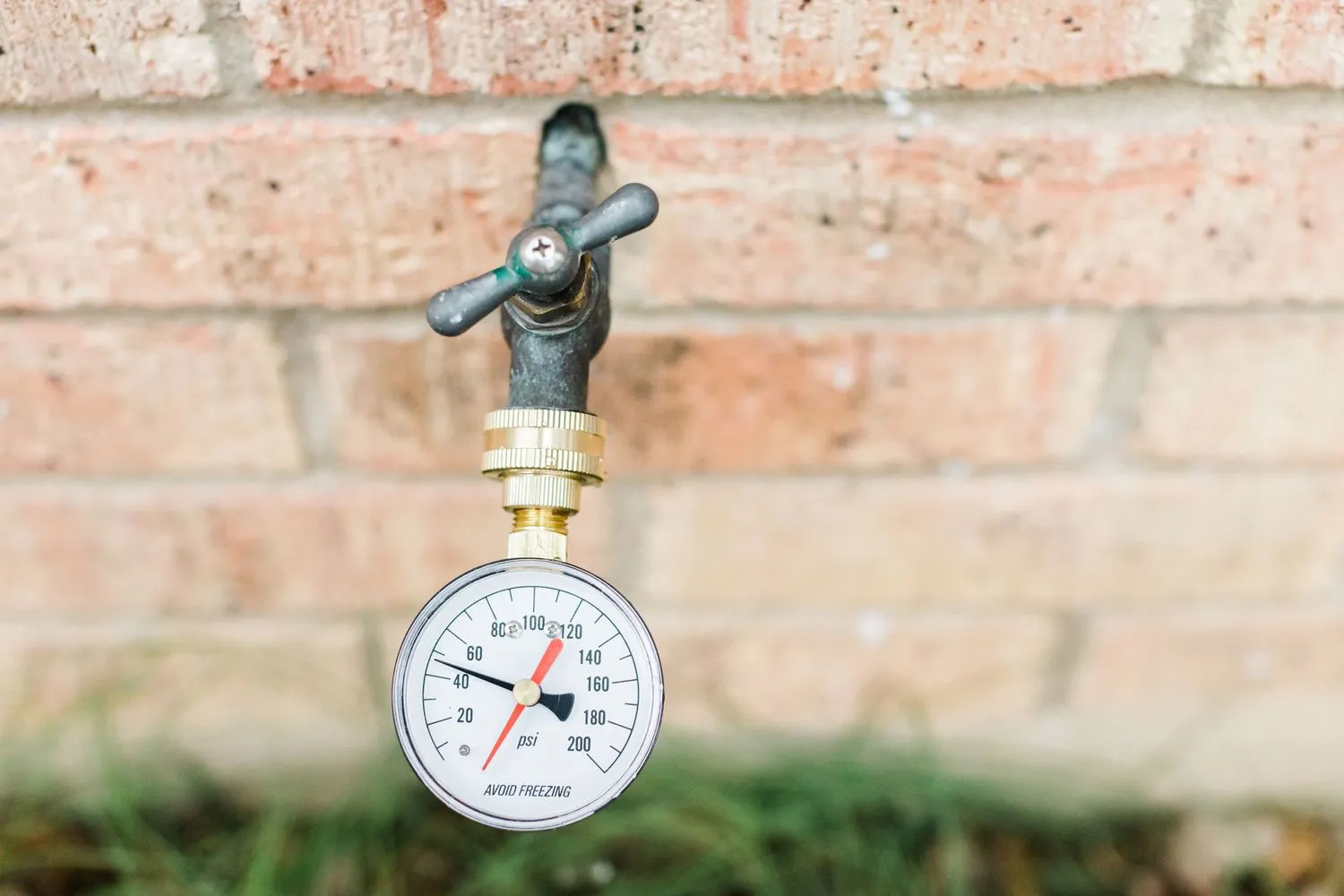
Some homes are equipped with a pressure regulator that controls the flow of water entering the property. If this device malfunctions, it can cause either low or high water pressure. Adjusting or replacing a faulty regulator can help restore proper pressure levels.
Look for Pipe Blockages or Corrosion
Over time, pipes can become blocked due to mineral buildup, rust, or debris. In older plumbing systems, corrosion can narrow the pipes, reducing water flow. This issue often requires professional intervention, as pipes may need to be cleaned or replaced to restore proper pressure.
Check the Main Water Valve
If your main water valve is not fully open, it can restrict water flow throughout your home. Locate the valve and ensure it is completely open. This is a quick and easy fix that can sometimes resolve low water pressure issues.
Consider External Supply Issues
Sometimes, the problem may not be within your home. Issues with the municipal water supply in Mandurah can also cause low pressure. If your neighbors are experiencing similar problems, it’s likely due to an external issue. In such cases, contacting your local water provider may help clarify the situation.
When to Call a Professional Plumber
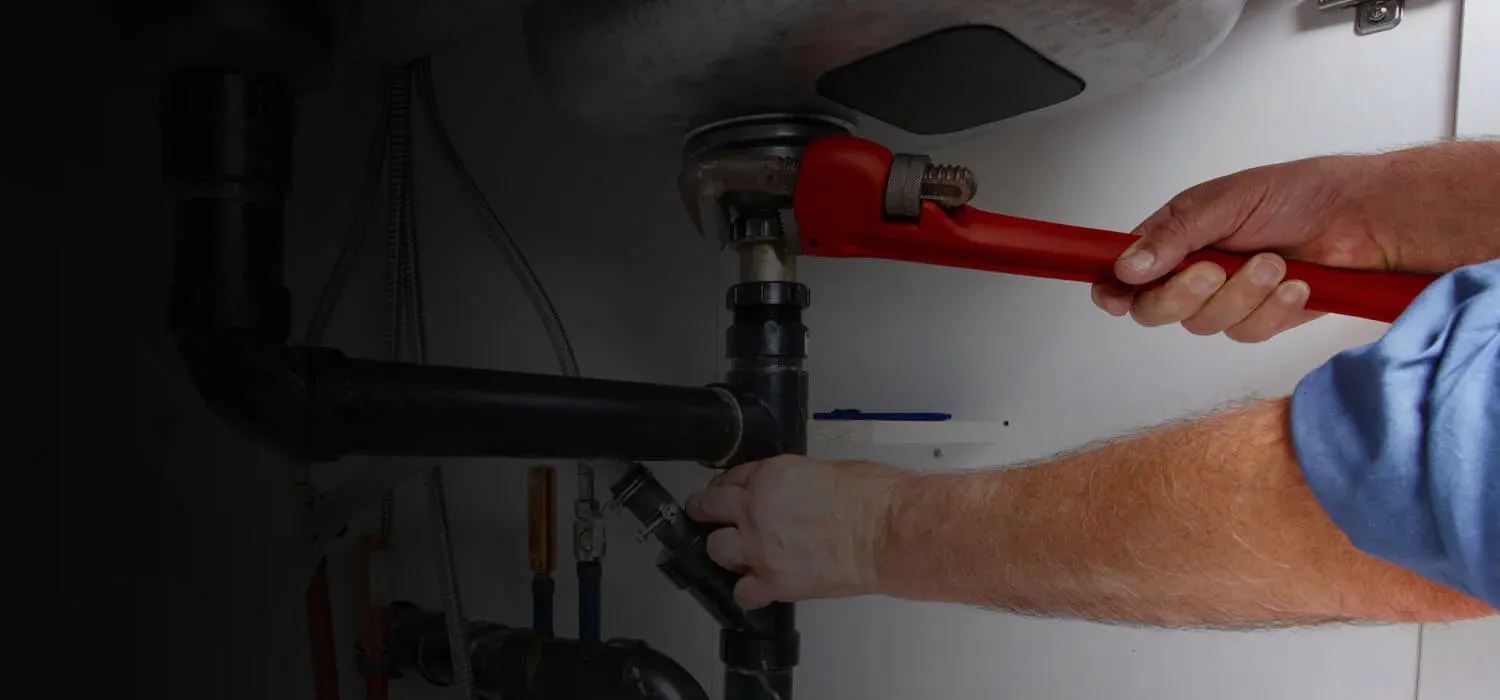
While some causes of low water pressure can be fixed with simple DIY solutions, more complex issues require professional expertise. If you’ve tried basic fixes and the problem persists, it’s time to call a licensed plumber. A professional can accurately diagnose the issue and provide a long-term solution.
How to Prevent Low Water Pressure
Preventive maintenance is key to avoiding water pressure problems. Regularly clean fixtures, check for leaks, and schedule routine plumbing inspections. Upgrading old pipes and fixtures can also improve water flow and prevent future issues.
Conclusion
Low water pressure can disrupt your daily routine, but identifying the cause and taking the right steps can help restore normal flow. Whether it’s a simple clog or a more serious plumbing issue, addressing the problem early can save time and money. For homeowners in Mandurah, working with a professional plumber ensures your plumbing system remains efficient and reliable.